





Description
Visual Details:
This arresting black and white wildlife portrait captures a leopard in a moment of supreme repose, draped languorously across a gnarled tree branch. The composition is a masterclass in contrast and detail—the leopard’s iconic rosette-patterned coat is rendered with meticulous precision, each spot defined against the pale fur with photographic clarity. The animal’s posture exudes feline nonchalance: one powerful paw dangling casually, the body stretched in complete relaxation, the gaze direct yet utterly unhurried.
The monochromatic treatment elevates this beyond typical wildlife photography into the realm of fine art printmaking. The stark absence of color forces attention to form, texture, and composition—the interplay between the leopard’s spotted coat, the rough bark texture, and the delicate foliage creates a sophisticated visual rhythm. The high contrast and dramatic tonal range give the piece a timeless, almost vintage quality reminiscent of classic wildlife documentation from Africa’s golden age of safari photography. The positioning—with the leopard looking directly at the viewer from its arboreal perch—creates an intimate yet respectful encounter with one of nature’s most elusive apex predators.
FOR WHOM:
This piece will captivate collectors of wildlife photography, admirers of African natural heritage, and patrons who appreciate minimalist sophistication. Ideal for those who favor monochromatic interiors, lovers of documentary-style wildlife art, and anyone building collections around big cats or endangered species. Perfect for the collector who understands that removing color can paradoxically add depth—that restraint in palette demonstrates confidence in composition. This work appeals to both traditional safari enthusiasts and contemporary minimalists, bridging classic natural history illustration with modern photographic art. A compelling choice for collectors who value pieces that command attention through quiet power rather than chromatic drama.
WHERE TO DISPLAY:
- Living rooms and sitting areas where its horizontal orientation works beautifully above low-profile furniture, sectionals, or console tables
- Home offices and studies creating an atmosphere of focused calm and predatory intelligence—metaphorically appropriate for strategic thinking spaces
- Minimalist interiors where the black and white palette aligns perfectly with monochromatic design schemes
- Modern bedrooms as a statement piece that introduces organic forms without disrupting serene color palettes
- Hallways and corridors where its strong composition draws the eye and animates transitional spaces
- Scandinavian or industrial-style interiors where the graphic quality complements clean lines and neutral materials
- Lodges, safari camps, and eco-tourism venues as authentic nods to African wildlife heritage
- Corporate spaces seeking sophisticated, non-controversial art that conveys strength, patience, and grace
- Photography galleries and curated art walls in collections celebrating nature documentation
DESIGN NOTES:
The vertical orientation with horizontal subject creates interesting compositional tension—the format is portrait, but the leopard’s languid stretch emphasizes width, making this piece remarkably adaptable to various wall configurations. The predominantly white background means this work can float beautifully on colored walls without clashing, while the deep blacks provide sufficient weight to anchor the composition.
This piece excels in environments with clean lines and uncluttered aesthetics. Consider pairing with light gray walls (as shown in the staging photo), concrete finishes, whitewashed brick, or even soft pastels where you want the artwork to provide graphic punch. The monochrome palette makes this exceptionally versatile for spaces with existing color schemes—it won’t compete but will add sophistication and focal interest.
The photographic realism invites close inspection of the leopard’s features—the whiskers, the expression, the individual spots—yet the composition remains strong from across a room. This dual-distance appeal makes it suitable for both intimate spaces and larger rooms where viewers engage from varying proximities.
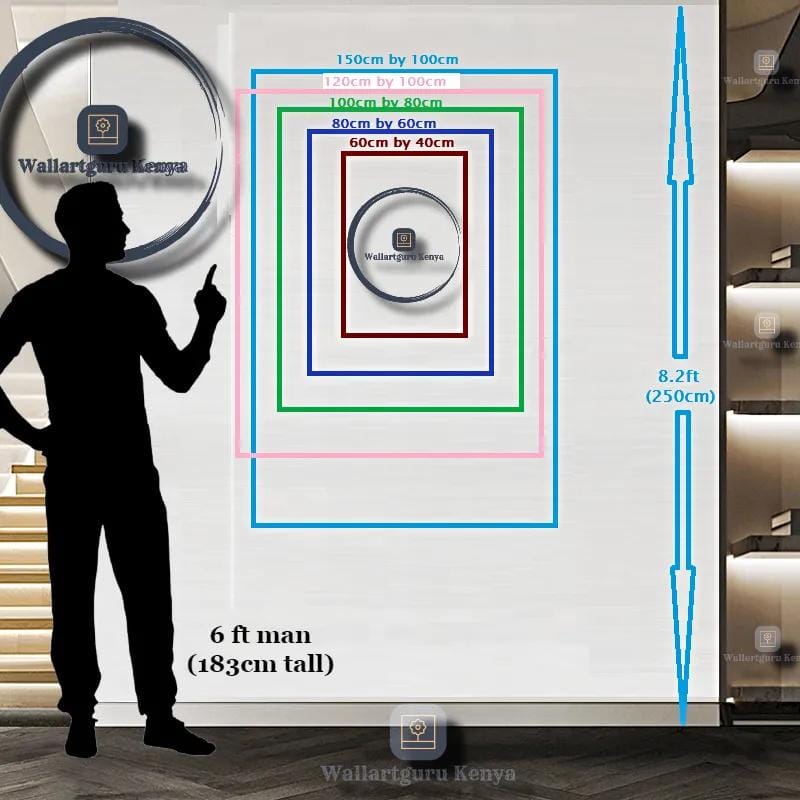
Frame consideration: A simple black float frame or thin gallery frame maintains the work’s contemporary edge, while a wider black mat can add breathing room and gallery presence. Avoid ornate framing that would compete with the subject; this piece demands simplicity in presentation. Consider museum-quality printing on fine art paper or canvas to ensure the rich blacks remain deep and the whites stay crisp over time.
Pair thoughtfully with furnishings: gray upholstery (as shown), natural wood tones, brass or gold metallics, and organic textures like linen, wool, and leather all complement this piece beautifully. The work’s wild subject matter provides interesting counterpoint to refined, tailored interiors—a touch of untamed nature in cultivated spaces.

Reviews
There are no reviews yet.